

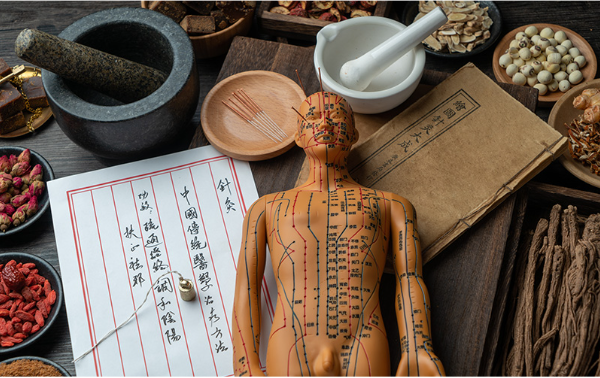
Couples experiencing conception challenges in Singapore are exploring TCM as an alternative to conventional methods. TCM fertility in Singapore focuses on restoring internal balance, improving energy flow, and enhancing reproductive function without relying on synthetic hormones or invasive procedures.
TCM fertility treatment in Singapore follows diagnostic principles rooted in syndrome differentiation. Practitioners identify imbalances in organs related to fertility, such as the liver, kidneys, and spleen. They then prescribe herbal formulas tailored to the individual’s condition. Unlike a one-size-fits-all approach, TCM provides personalised care that reflects the patient’s body constitution and symptoms.
Many patients consider TCM herbs for fertility due to their perceived ability to regulate menstruation, boost ovulation, and support uterine health. The treatment often works alongside conventional medicine, not as a replacement. Clinics may suggest combining herbal therapy with acupuncture, lifestyle changes, and stress management.
Success depends on consistency, early intervention, and the severity of reproductive challenges. Fertility support using TCM takes time and discipline. Patients must follow prescribed dosages, attend regular consultations, and adjust formulas based on changes in condition.
Key TCM Herbs for Fertility and Their Role in Reproductive Support
TCM herbs for fertility contain properties known to regulate hormonal cycles, nourish blood, and stimulate ovulation. Each herb serves a specific role in promoting a stable reproductive environment. Formulas typically combine multiple herbs to achieve a synergistic effect.
Dang Gui (Angelica sinensis) nourishes blood and regulates menstrual flow. TCM uses it to address irregular periods and uterine weakness. It supports endometrial lining growth and helps prepare the womb for implantation.
Bai Shao (White Peony Root) harmonises liver function and reduces cramps or emotional imbalances linked to hormonal shifts. It works well with Dang Gui to build blood and soothe pain.
Chuan Xiong (Szechuan Lovage) promotes circulation and disperses blood stasis. Poor blood flow can lead to cold uterus syndrome, commonly linked to fertility struggles in TCM. Enhancing circulation supports egg quality and endometrial receptivity.
Shu Di Huang (Prepared Rehmannia Root) strengthens kidney essence, a concept associated with reproductive vitality in TCM. Weak kidney energy affects libido, ovulation, and hormonal stability. Rehmannia addresses this root cause.
Yi Mu Cao (Chinese Motherwort) clears heat and promotes blood flow. Practitioners use it to regulate menstruation and reduce inflammation in the uterus.
TCM does not prescribe herbs based on symptoms alone. Each formula responds to an individual’s pattern of imbalance. Practitioners reassess progress and update prescriptions based on changes in cycle, temperature charts, and hormonal markers.
Safety Considerations Before Trying TCM Fertility in Singapore
TCM fertility in Singapore remains a regulated practice. Patients must consult registered TCM physicians before using herbs. Self-medicating or buying unlicensed products carries risks such as hormonal disruption or contamination. TCM herbs for fertility can interact with Western medications or affect hormonal therapies like Clomid or IVF cycles.
Herbal therapy should begin under supervision, particularly when trying to conceive. Practitioners guide patients on herb combinations, proper preparation, and appropriate timing across the menstrual cycle. Some herbs support the follicular phase, while others prepare the body for ovulation or implantation.
Pregnancy requires immediate review of herbal prescriptions. Not all TCM herbs suit early pregnancy, and some must be discontinued after conception. Regular consultations ensure ongoing safety and suitability.
Quality control matters. Only clinics sourcing herbs from GMP-certified suppliers should be considered. Patients should also report adverse reactions, missed periods, or new symptoms to their TCM physician without delay.
Choosing a qualified clinic also helps ensure ethical practice. Clinics offering TCM fertility treatment in Singapore typically display practitioner credentials and license numbers. Patients should verify registration with the Traditional Chinese Medicine Practitioners Board.
What to Expect From Your TCM Fertility Journey in Singapore
Patients often begin TCM treatment after several unsuccessful attempts at conception. TCM supports fertility by improving menstrual regularity, regulating basal temperature, and easing premenstrual discomfort. It takes time to see changes, usually between three to six months of consistent use.
Consultations involve pulse diagnosis, tongue inspection, and lifestyle inquiry. TCM physicians analyse patterns across different body systems before prescribing herbs or acupuncture. Most treatment plans include dietary guidance, stress reduction techniques, and advice on sleep or physical activity.
For women undergoing assisted reproductive techniques like IUI or IVF, TCM supports the body during hormone stimulation and embryo transfer. Some patients report improved response to medications, enhanced endometrial thickness, and reduced side effects. Men may also benefit from TCM herbs to improve sperm motility, count, and morphology.
Practitioners track patient progress through menstrual charts and regular symptom updates. Adjustments follow changes in cycle length, flow quality, or ovulation patterns. Long-term fertility goals require continued engagement, even if early improvements feel minimal.
Consistency, communication, and trust define effective TCM fertility care. Results differ depending on age, health history, and prior medical intervention. Patients should approach TCM as a complementary route that supports rather than replaces conventional fertility treatment.
Conclusion
Considering TCM herbs for fertility can support reproductive health when guided by a qualified physician. Patients experiencing fertility challenges in Singapore gain value by exploring safe and regulated treatments that respect the body’s natural cycles.
Contact Great Wall TCM for a registered TCM clinic in Singapore offering guided fertility care.